
Do NOT boost views/likes/comments during the incubation phase!
Clear reasons:
YouTube doesn’t yet understand what your video is about.
The incubation period is when the system evaluates your content, testing it with a small sample of viewers to measure real engagement. Boosting during this time is like feeding YouTube fake reactions. It confuses the algorithm, misclassifies your content, and causes it to be recommended to the wrong audience. That’s not how smart creators do youtube monetization explained properly.
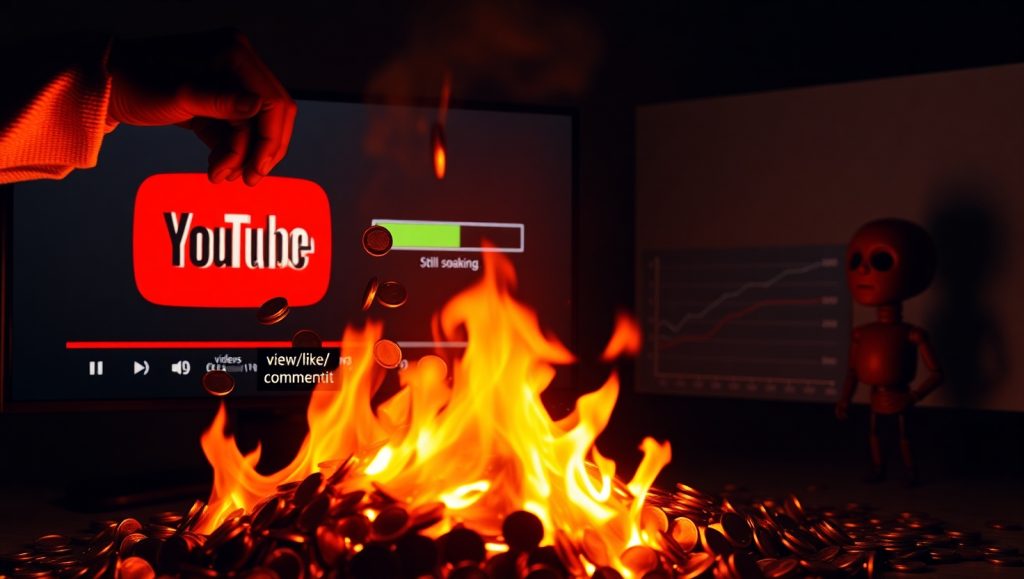
Wasting money.
If the video hasn’t shown natural growth yet, pouring money into interactions is like throwing cash on the street. Especially when there’s no organic rise, you’re just burning money. This isn’t smart growth, it’s gambling. And you don’t gamble with youtube monetization explained — you engineer it.
The golden time to boost is when views start rising.
As clearly stated in the “zoom truyen nghe” file:
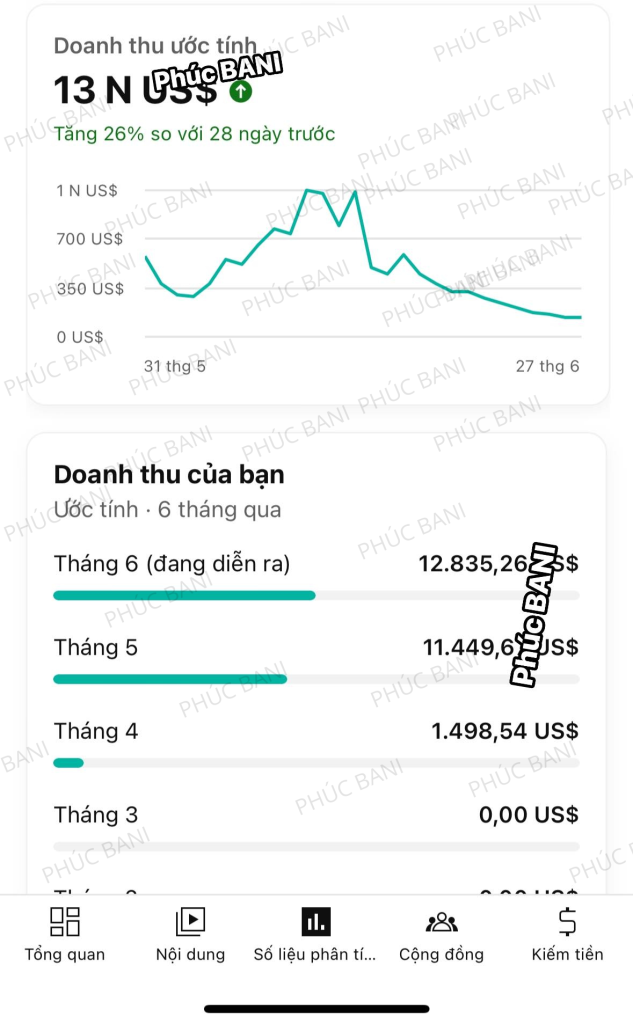
“Channel >50k views in 48h — start boosting. Views rising? Boost. Views dropping? Cut boost by 50%.”
This means you must monitor real-time analytics — only when the video shows breakout signals should you boost engagement to amplify the effect.
Wrong timing can KILL a video.
YouTube tracks CTR, retention, and genuine interactions extremely closely. Artificial interaction too early creates distorted data, leads to a poor quality label by the algorithm, and kills your chances of being properly recommended.
👉 BOTTOM LINE:
Don’t boost when a video is still incubating. Wait for real signs of growth, or at least after 2–3 days of testing show high retention, good click-through rate, and trend relevance — then boost intelligently. That’s the way pros handle youtube monetization explained.
YouTube is a data game. Stop guessing, stop being lazy. TEST and ANALYZE.
This is a non-negotiable mindset for success in youtube monetization explained.
📌 Specific Notes for Running Engagement Boosts (During the Incubation Phase)
✅ 1. What is the incubation phase?
The first 24–72 hours after uploading. YouTube will:
- Test your video with a small viewer sample.
- Measure CTR (click-through rate), watch time (retention), and real engagement.
- Assign a “label” or niche for future distribution.
📛 Note: This is an extremely sensitive time for the algorithm — don’t mess up the data!
⚠️ 2. Things you must NOT do while the video is in incubation:
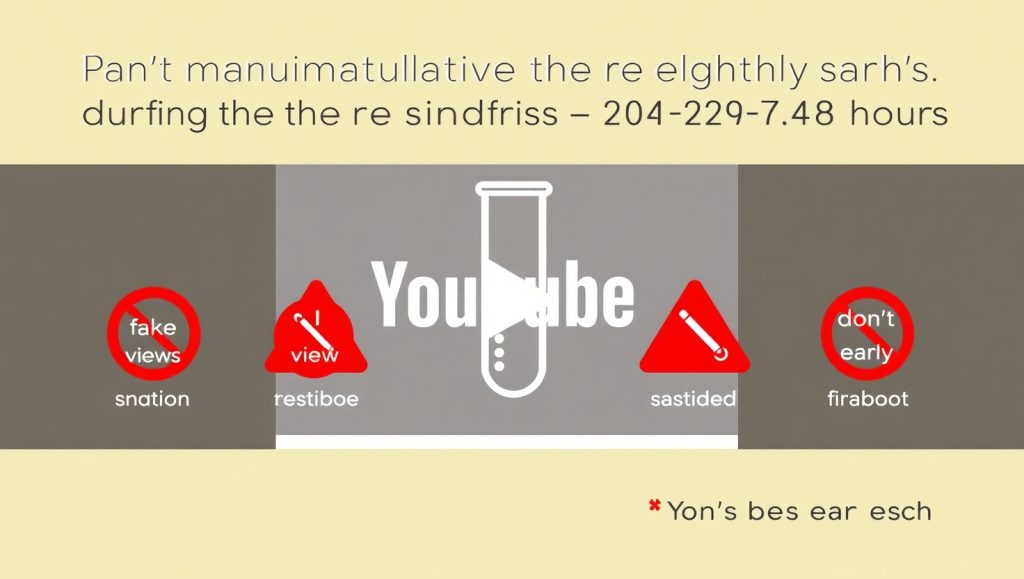
❌ Don’t buy fake views, even from “premium” sources.
❌ Don’t spam likes/comments or ones that don’t match the context.
❌ Don’t share the video blindly across groups/pages with mismatched audiences.
⏳ 3. When is it OK to boost interaction?
✅ When the video begins to show light organic growth (via real-time analytics).
✅ When the retention rate is strong, CTR is high, and the content hits a trending topic.
Start light:
- 1000 views
- 50 likes
- 25 comments
Monitor carefully. If views keep rising — increase the boost.
This method aligns with effective youtube monetization explained — deliberate scaling, not desperate pushing.

📈 4. How to boost smartly:
- Use high-quality services. Cheap ones ruin your video.
- Boost gradually and in real-time — avoid sudden unnatural spikes.
- Comments must match the actual content — no nonsense.
🧠 5. The bigger mindset:
Doing YouTube is data analysis, not wishful thinking.
If after 3 days the video doesn’t rise, STOP boosting.
Move on to the next video, improve the content, rework the keyword strategy and thumbnail.

👉 Final Word:
“Engagement boosting is to AMPLIFY success — not to rescue a failed video.”
Play smart. Analyze first. Boost later. No blind faith. That’s the real path to sustainable youtube monetization explained.


Để lại một bình luận