
If you’re not fluent in English but want to build a powerful English keyword set for your YouTube channel, follow this simple, strategic process. No fluff — just results:
🔥 1. Find High-View Videos (Any Language Works)
Go to YouTube. Type your topic in Vietnamese (e.g., “sư tử tấn công”).
Switch to the Video tab > Filter > Sort by view count.
Pick English-titled videos with high views.
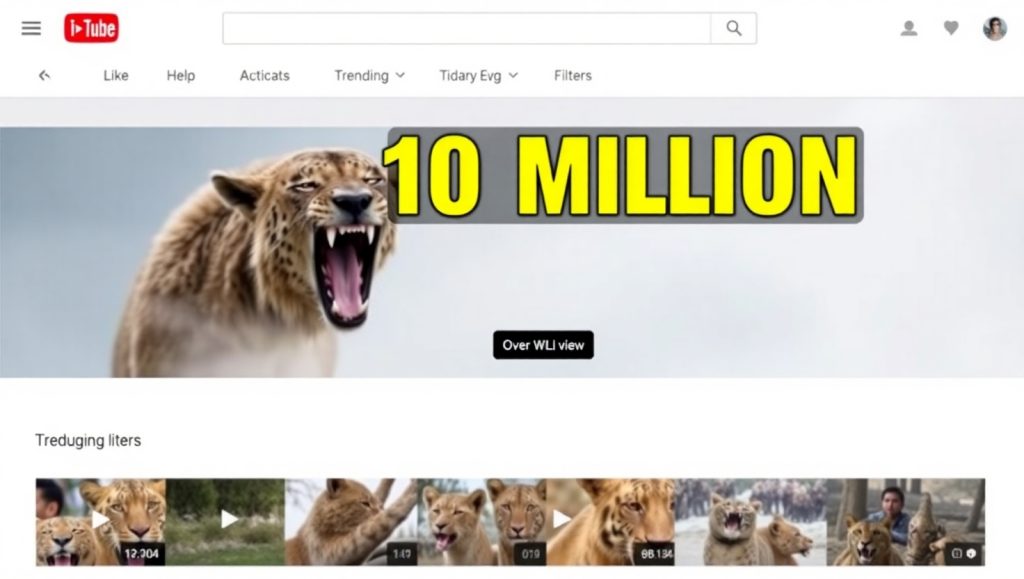
🔥 2. Describe the Thumbnail = Your Raw Keyword
Look at the thumbnail image. Just describe what you see — in basic English.
Examples:
- “Lion attacks car”
- “Elephant flips truck”
- “Crocodile ambush in river”
💡 You don’t need perfect grammar. You just need to accurately describe the scene. That’s your raw keyword.
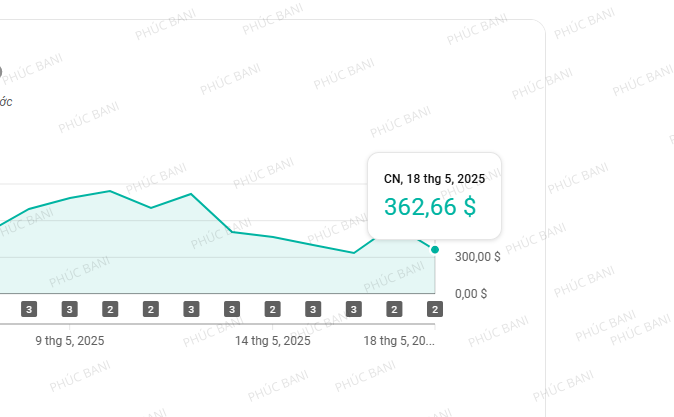
🔥 3. Expand That Keyword
Take that raw keyword. Paste it into YouTube search.
Check autocomplete suggestions → pick up more keyword ideas.
Watch recommended videos: High-view ones will often have powerful keywords.
Check the hashtags, description, and subtitle titles → extract more terms.

🔥 4. Use Tools If Needed
Use Google Translate if you’re stuck.
Paste your raw keywords into any AI tool and ask:
“Translate and suggest related keywords for: [your keyword]”
🔥 5. Study Small Channels Too
As Phúc BANI says: “Study big channels, but copy small ones.”
Find smaller channels in the same niche with high views.
Check if their titles or thumbnails overlap with yours.
Shared keywords = core keywords.
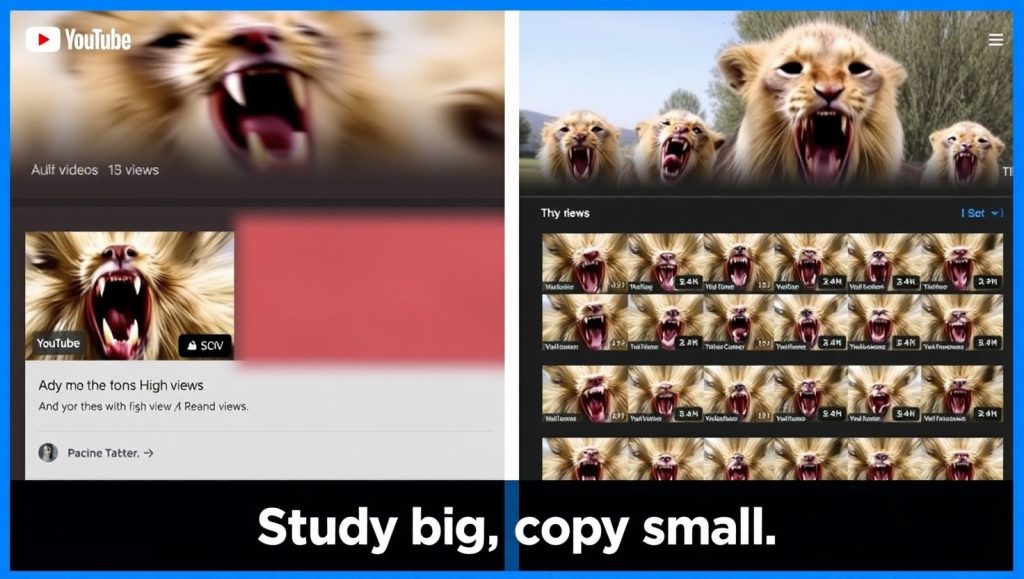
🧠 CRUCIAL LIFE SKILL: Turn Description into Keywords
Even with zero English fluency, if you can look at a picture and describe:
- the animal
- the action
- the setting
→ you have a keyword.
Examples: - “Tiger jumps on jeep in jungle”
- “Bear attacks tourists in forest”
🔥 “How to grow on YouTube” starts from doing, not knowing.
Stop thinking you need great English — YouTube rewards clarity, not complexity.
⚠️ Important Notes When Creating English Keywords:
✅ 1. Never Directly Translate from Vietnamese
Literal translation = wrong context.
Foreign viewers don’t search like that.
👉 Use direct image-action-emotion descriptions, the way they speak.

✅ 2. Use Simple, Popular Words
Words like: attack, car, jungle, wild animal, rescue, etc.
Avoid academic or rare words → low search volume.
✅ 3. Don’t Copy Full Titles from Big Channels
Tweak 30–50% of the title, but keep the core keyword.
Add something new: time, emotion, twist.
Example:
“Lion attacks car” → “Shocking moment lion attacks tourist car in South Africa!”

✅ 4. Place Keywords in Strategic Spots
- Video title
- First lines of description
- Hashtags
- Video filename before upload
✅ 5. Go Deep — Don’t Stop at the Raw Keyword
From “Lion attacks car” you can expand to:
- Lion attacks jeep
- Lion enters safari car
- Wild animal safari accident
👉 1 keyword → 5–10 related long-tail keywords.

✅ 6. Verify with YouTube Search
Paste the keyword into YouTube search.
If suggestions pop up → people are searching.
If not → scrap it.
✅ 7. Focus on 1 Keyword Cluster (5–7 High-Quality Keywords)
Too many scattered tags = diluted focus.
One tight, relevant cluster = stronger recommendation system push.

🌱 Want to know how to grow on YouTube fast?
✅ Start with tight keyword clusters
✅ Build videos around viewer intent
✅ Leverage thumbnails for SEO without words
✅ Use autocomplete for long-tail discovery
✅ Analyze low-sub, high-view channels
Your language doesn’t matter — your clarity and strategy do.
This is the foundation for anyone serious about how to grow on YouTube organically, without ads or shortcuts.
🔥 No English? No problem. No action? That’s the real problem.
You don’t need a degree — you need discipline and a camera.



Để lại một bình luận