
A comprehensive guide to YouTube SEO, from foundational principles to advanced optimization. This A–Z tutorial will help you boost views, retain your audience, and build sustainable recommendation momentum on YouTube.
I. What Is YouTube SEO and Why Does It Matter?
YouTube SEO (Search Engine Optimization) is the process of optimizing your videos to improve their visibility in YouTube search results and recommendations. The ultimate goal of YouTube SEO is to increase your video views, grow subscribers organically, and match your content with the right target audience.
Most importantly, YouTube doesn’t push the best videos — it pushes the most relevant ones. YouTube SEO ensures the platform understands your video content properly from the moment it’s uploaded, laying the foundation for long-term growth.
II. The 3 Pillars of YouTube SEO for Steady Growth
1. Pre-Upload Optimization (Raw SEO)
This is the setup phase before publishing the video:
- Title must include the main keyword, related to the content.
- Description should naturally repeat the main keyword 3–5 times.
- Add tags closely related to the video’s theme.
- Thumbnail should be clear, clickable, and honest.
- Rename the file to include the keyword, e.g.,
lose-weight-with-celery.mp4. - Hashtags must be relevant and not spammy.
📌 All these steps are core practices of YouTube SEO.
2. In-Video Optimization (Content SEO)
Content optimization ensures audience retention:
- Start strong in the first 5 seconds to spark curiosity.
- Deliver clear value within the first 30 seconds.
- Mention the keyword 1–2 times in the voiceover.
- Include natural calls to action (like, comment, subscribe) in strategic parts.
3. Post-Upload Optimization (Distribution SEO)
After publishing the video, initiate external signals:
- Pin a comment with the keyword and a call to action.
- Share to relevant communities: groups, fanpages, forums.
- Trigger early engagement within the first 30 minutes: likes, comments, real views.
- Create playlists with related videos to increase watch time and recommendation chances.
These actions amplify the results of your YouTube SEO.
III. The A–Z Process of YouTube SEO + Mistakes to Avoid
- Keyword Research: Use tools like Keywordtool.io, YouTube Suggest, or TubeBuddy to find high-search keywords.
- Write SEO-friendly Titles: Place the main keyword at the beginning.
- Optimize the Description: Repeat main and supporting keywords 3–5 times, naturally and without spam.
- Rename Video File: Before uploading, rename the file to include your keyword.
- Use Accurate Tags: 5–8 well-targeted tags that align with your niche.
- Design a Strong Thumbnail: Clear, eye-catching visuals that reflect the keyword.
- Use Proper Hashtags: 1–3 niche-specific hashtags in the description.
- Publish at Peak Times: Align upload times with your audience’s active hours.
- Trigger Interaction: Get at least 10 likes and 5 real comments in the first 30 minutes.
- Keep Viewer Retention Above 50%: Craft a strong hook, flow your story well, and maintain content value to reduce drop-off.
📌 Each of these steps plays a crucial role in effective YouTube SEO.

IV. 7 Common YouTube SEO Mistakes to Avoid
- Misleading Clickbait Titles: Causes early drop-offs and hurts recommendations.
- Irrelevant or Spam Tags: Confuses YouTube’s algorithm and reduces visibility.
- Deceptive Thumbnails: Damages viewer trust and reduces watch time.
- Using Trending Keywords Incorrectly: May trigger policy violations or reduced reach.
- Editing Title/Description Post-Publish: Resets SEO momentum; only do it when necessary.
- Ignoring Competitor Analysis: Leads to misguided content that misses demand.
- Low Viewer Retention: Even perfect SEO won’t help a boring video get recommended.
Every point above connects to the effectiveness of your YouTube SEO.
V. Recommended Tools for YouTube SEO
- Google Trends: Discover real-time search trends and patterns.
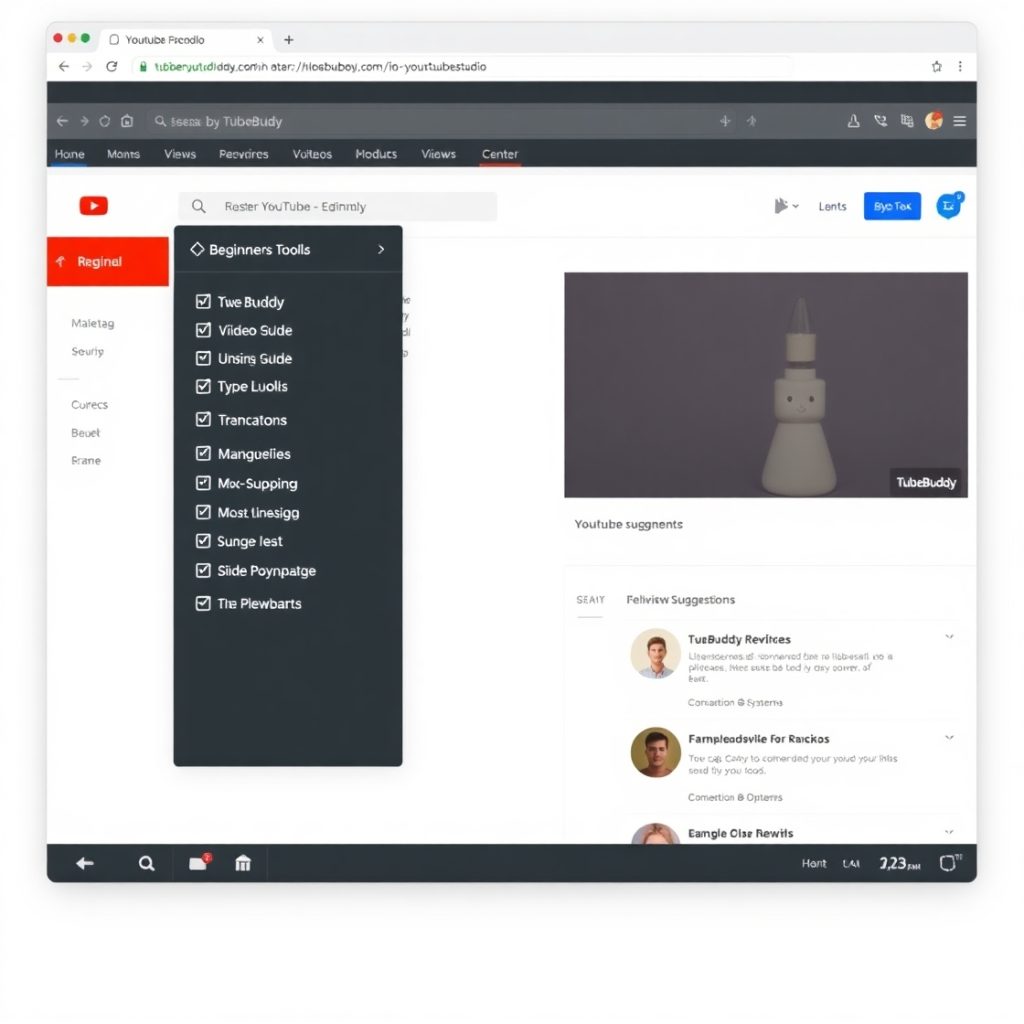
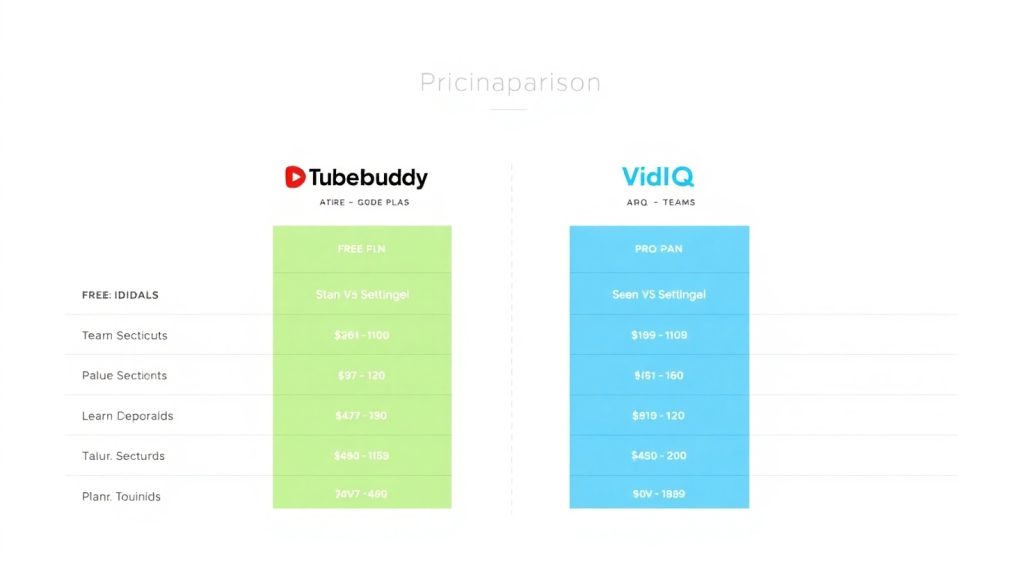
- KeywordTool.io / VidIQ / TubeBuddy: Analyze keyword volume, competition, and SEO scores.
- Canva / Photoshop: Design professional, engaging thumbnails.
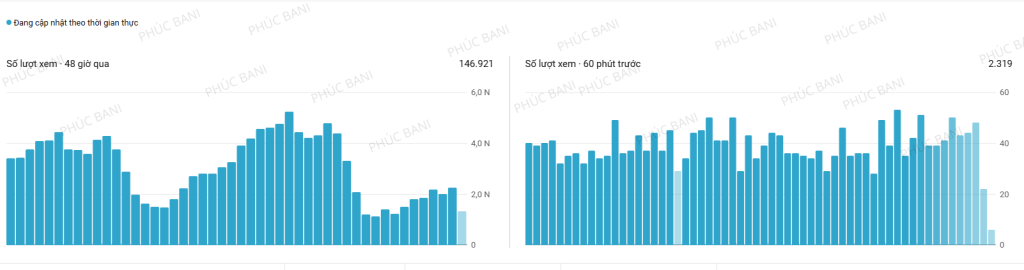
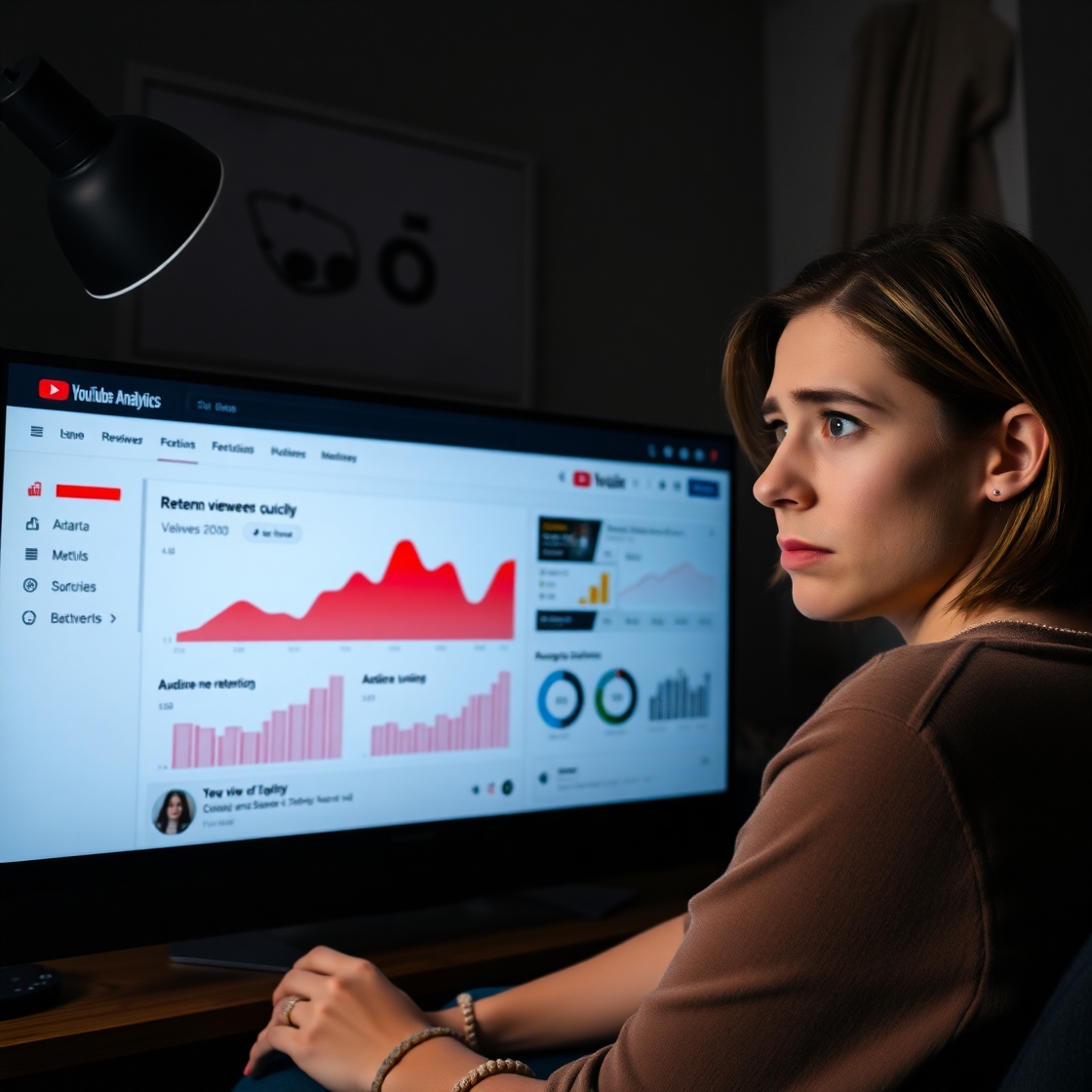
- YouTube Analytics: Track key metrics like CTR, retention, traffic sources, and viewer demographics to improve future uploads.
These tools are essentials in your YouTube SEO toolkit.
VI. Sustainable YouTube SEO Mindset
- Choose smaller, targeted niches with low competition but high demand.
- Be consistent in uploading, and ensure every video is optimized from metadata to retention.
- SEO is not one action — it’s a continuous chain of strategy, starting from keyword research to audience interaction.
- Keep your audience at the center of everything: understand what they want so your YouTube SEO doesn’t turn into keyword stuffing.
- Success comes from clarity, data, and discipline — not luck.
Conclusion
Doing YouTube without SEO is like throwing a message into a void. Doing SEO without audience retention is just blind spamming. View YouTube SEO as a professional strategy — one that starts on day one and grows through expertise, planning, and consistency.
Whether you’re just starting or trying to revive your channel, mastering YouTube SEO is the smartest investment for long-term success.


Để lại một bình luận