
To determine whether your video is suffering from a reach limitation or just has unattractive content, stop guessing and start analyzing the data. Here’s the clear-cut method:
1. CHECK IMPRESSIONS
- Low impressions → Your video is not being distributed (YouTube is limiting reach).
- High impressions but low views → Your content isn’t engaging.
Impression is the first gate YouTube opens — it means your video is being recommended. If the gate isn’t open, don’t blame your content yet.
2. COMPARE CLICK-THROUGH RATE (CTR)
- Target CTR: 5–10%
- CTR < 3% → Thumbnail/title are weak.
- CTR > 7% but impressions still low → Likely being limited.
CTR is critical for monetization on YouTube. If you can’t earn the click, you’ll never earn the watch — or the money.
3. CHECK AVERAGE VIEW DURATION (AVD)
- Retention < 30% → Weak content.
- Retention > 50% → Strong content. If it still doesn’t get views → YouTube might be suppressing reach.
High retention helps boost monetization on YouTube, as YouTube favors content that holds attention.
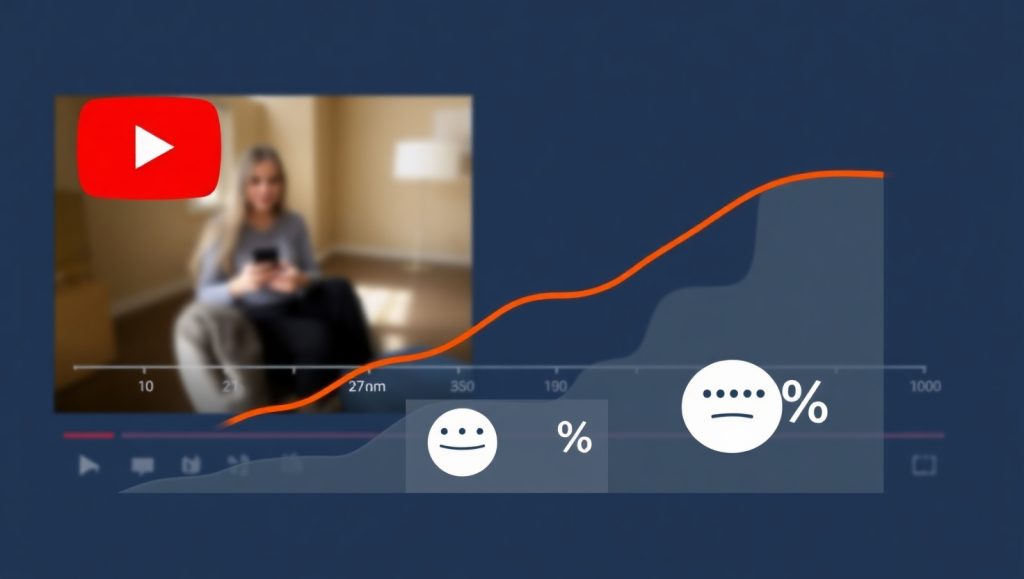
4. ANALYZE THE FIRST HOUR
- Steady growth in views in the first 30–60 mins → Normal.
- Drop-off after 10 mins → Weak hook or poor storytelling.
Early momentum is often a predictor of whether a video will scale and support long-term monetization on YouTube.
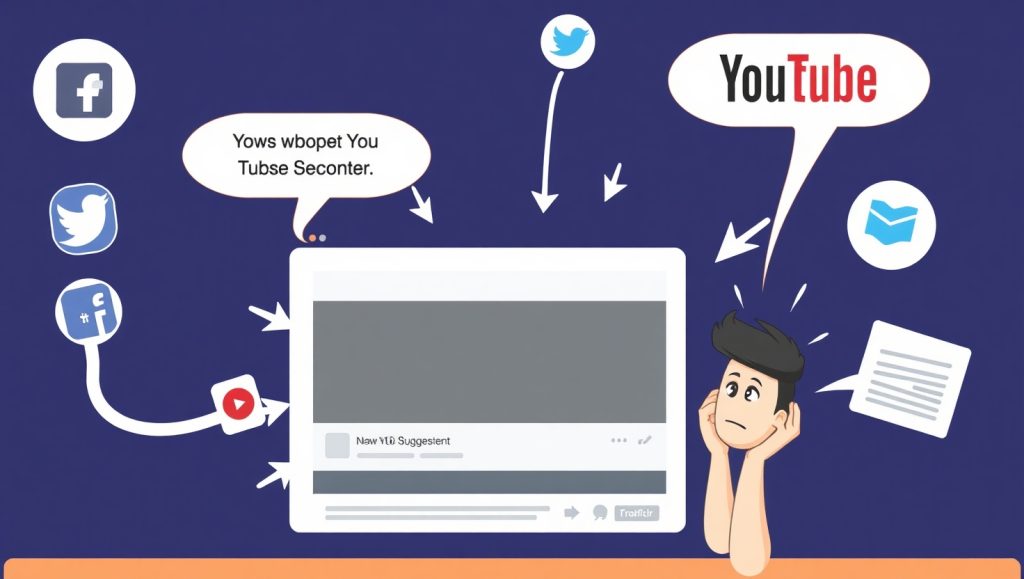
5. REVIEW TRAFFIC SOURCES
- All views from “external” and none from “browse” or “suggested” → YouTube doesn’t trust it yet.
- Only from “browse features”, not “search” or “suggested” → SEO not optimized.
Strong discovery traffic is key to scaling monetization on YouTube beyond short-term viral bursts.
ACTION PLAN:
- If suppressed: Change thumbnail/title, test new keywords, rework thumbnail strategy.
- If content is weak: Review retention, improve scripting, storytelling, and emotional delivery.
🔥 Always test at least 3 videos per keyword before making judgments. One video is never enough to draw conclusions.

Common Pitfalls and Practical Insights:
🔥 Impressions:
- New channels getting <1,000 impressions/video is normal.
- Old channels not getting recommended → Possibly off-topic or being suppressed.
- Monetization on YouTube often begins only when videos are aligned with the channel’s history.

🔥 CTR:
- <3% → Title/thumbnail must be reworked.
- >8% but no views → Possibly suppressed or niche mismatch.
You can’t reach sustainable monetization on YouTube with a poor CTR. Fix your front door first.
🔥 Retention:
- <30% → Unengaging or poor pacing.
- >50% → Great! But needs the right audience.
High retention = high potential for monetization on YouTube. Remake and A/B test titles and thumbnails.
🔥 Engagement:
- <1000 views with no likes/comments = emotionally flat video.
- Good views with poor interaction = declining channel trust.
Boosting early engagement (genuine, not fake) is critical in building a foundation for monetization on YouTube.
🔥 Content Testing:
- Test content in clusters of 3–5 videos per keyword.
- Don’t change title/thumbnail within the first 48 hours.
- Never judge from one video. YouTube rewards patterns, not flukes.
SUMMARY:
✅ Weak channel + weak content = collapse
✅ Strong channel + strong content but no growth = likely suppressed or misaligned audience
✅ You don’t grow by guessing. You grow by reading data.
Work like a real professional. No whining, no guesswork.
YouTube is a career, not a casino.
Monetization on YouTube only comes to those who treat it like a business — with logic, data, and relentless testing.



Để lại một bình luận