
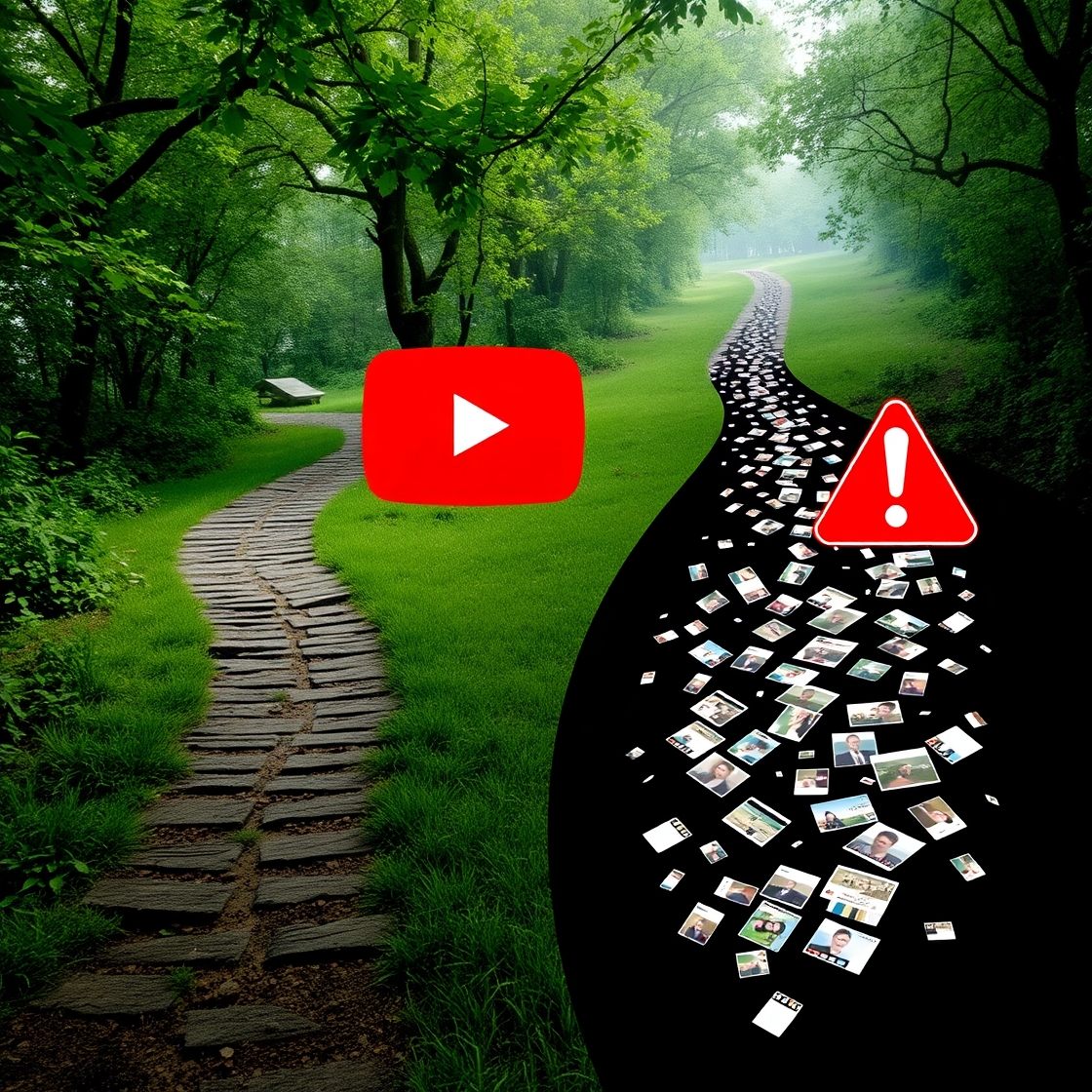
You’ve spent hours crafting content, but your YouTube video still gets no views? The reason might lie in something small — yet critical: using the wrong number of keywords. Contrary to what many beginners think, YouTube doesn’t reward keyword stuffing. Instead, the algorithm favors content that’s clearly positioned, focused, and targeted at the right audience.
1. Why Do Keywords Affect YouTube Recommendations?
YouTube doesn’t find viewers for your video — it finds the right video for the viewer.
If you stuff too many keywords into your video, YouTube can’t determine the main theme → it won’t show your video to the right people → your views crash.
🚨 Common signs of keyword overload:
- Title and description are inconsistent
- Tags look like spam: “viral, shocking, entertainment, animal, celebrity…”
- Content lacks a clear niche or direction
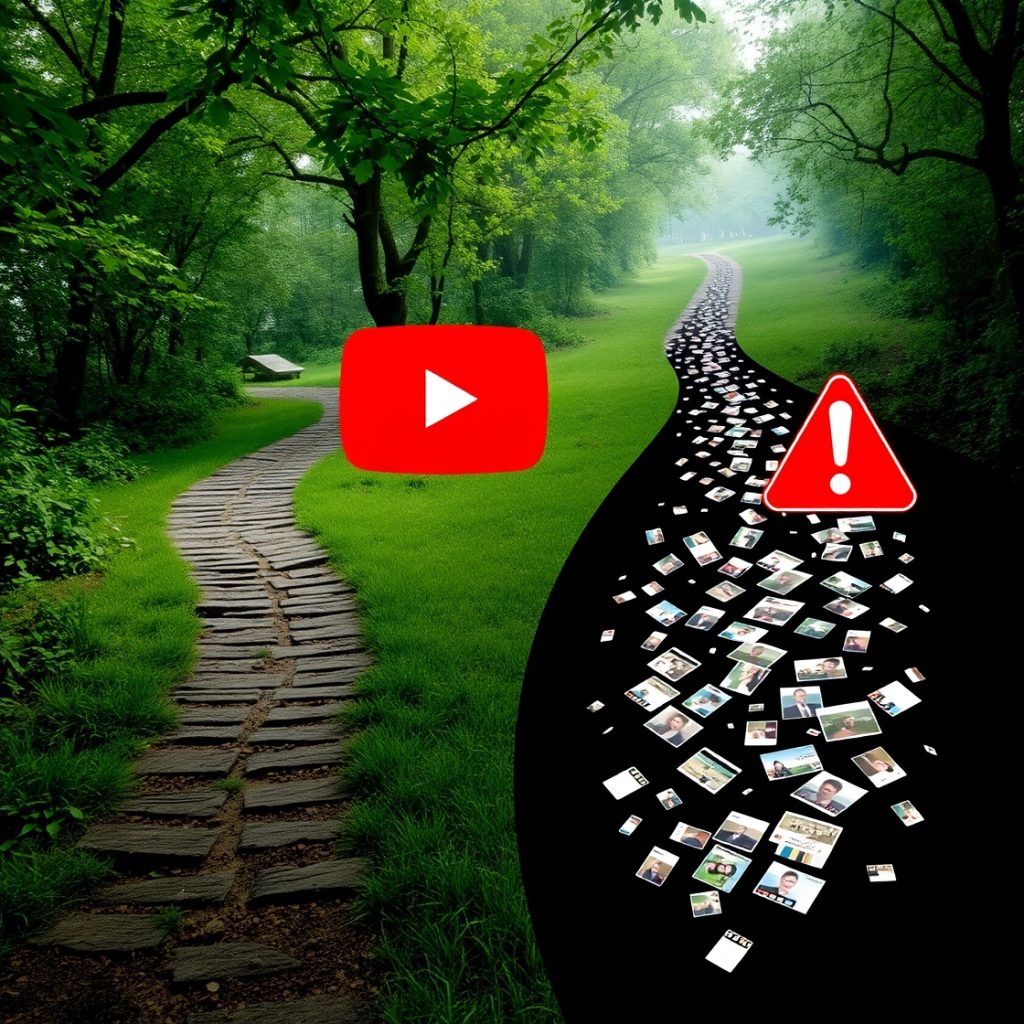
❌ Result: YouTube can’t categorize your video → no recommendations → no views → no subs → you don’t learn how to make money on YouTube the right way.
2. How Many Keywords Should You Use in a YouTube Video?
Here’s the “golden number” for YouTube SEO:
| Placement | Recommended Keyword Count | Best Practice |
|---|---|---|
| Title | 1 primary keyword | Put it at the beginning if possible |
| Description | 1–2 main keywords repeated naturally 2–3 times | Describe your video genuinely, avoid spam |
| Tags | 5–7 closely related keywords | Include topic variations |
| Hashtags | 3–4 hashtags | Prioritize #primary_keyword |
Using this structure not only improves visibility but is key in learning how to make money on YouTube efficiently.
3. The BANI SEO Keyword Strategy
This is a proven strategy to make your content discoverable — and to support your journey in how to make money on YouTube sustainably.
🎯 Choose 5–7 core keywords for your entire channel
📈 Repeat them across your first 10–20 videos to help YouTube identify your niche
🧭 Use data from YouTube search suggestions, trending videos, and analytics
✂ Avoid vague or emotional keywords like “hot 2025,” “unbelievable,” “you won’t believe…”
Staying focused is the real SEO game — not keyword quantity.

4. Real-World Example: Channel About Lions Attacking Cars
Niche: Lion Attacks on Safari Tours
Main Keyword: lion attack car
Example SEO Structure:
- Title: Lion Attacks Jeep – Tourist Screams in Wild Safari
- Description: Captured during a wild African safari, this lion attack car moment leaves tourists in shock. Watch the intense interaction unfold.
- Tags: lion attack, lion attack car, safari lion, wild animal attack
- Hashtags: #lionattack #wildsafari #jeep
📝 Using this targeted format is not only good for SEO — it’s part of mastering how to make money on YouTube by building authority in a specific content niche.
5. Vital Advice When Optimizing YouTube Keywords
✅ Quality beats quantity — focus your keyword strategy on alignment, not volume
✅ Write for humans, but structure for the YouTube algorithm
✅ Remember: YouTube SEO isn’t just technique — it’s about strategic positioning
Want to know how to make money on YouTube long-term? Stop guessing, and start analyzing. Pick your keywords like a brand — not like a trend follower.

Final Thoughts + Free Video Tutorial
Understanding keyword structure is the first real step in cracking how to make money on YouTube — especially if you’re just starting out.
If your channel is struggling to get views, go back to the basics:
- Define your niche
- Choose your keyword cluster
- Repeat your message consistently across multiple videos
And remember — the algorithm loves clarity.
🎥 Watch our full tutorial on optimizing YouTube keywords for SEO and monetization success here:
👉 [Insert YouTube link]
💡 Whether you’re a beginner or already monetized, mastering keywords is the gateway to truly learning how to make money on YouTube — effectively, consistently, and at scale.



Để lại một bình luận