
If you’re trying to create a YouTube channel like “Top 100” but still not getting views, it’s because you’re only copying the outer shell — not the core. Here are 5 core reasons why you’re stuck:
1. You don’t understand who your audience is
“Don’t just make content — make content for someone.”
You copied the format, but you didn’t identify the target viewers. Even if your video is amazing, if it’s for the wrong people, it won’t work.
Example: You make a video about luxury cars, but your audience is high schoolers. Low views are guaranteed.

2. You didn’t pick the right niche — or you gave up too soon
A new youtube channel create project must stick to one small niche. Post at least 10 videos on a single topic.
Top 100 has earned trust from YouTube. You haven’t. Without niche consistency, YouTube doesn’t know what you’re about or who to show your video to.
3. You ignore trends — or follow them the wrong way
If your content happens to match a trending topic, it can explode in views.
Top 100 can hint at a trend and still go viral. You? You need clear trends, exact keywords, and the right format if you want a shot.

4. You analyze the wrong metrics
Smart creators don’t just imitate what gets views. They dig deep:
- What’s in the first 30 seconds?
- What makes the thumbnail stand out?
- Are the title and keywords triggering curiosity?
- Where does the engagement spike?
Blind copying without understanding is just clueless duplication, not strategy.
5. You lack initial engagement signals
Real interaction ratio = 10%. That means:
- 1,000 views → 100 likes → 50 comments
If your new youtube channel create effort has no real engagement or fails to hit this ratio (organically or boosted), YouTube won’t push it. Your video dies silently.

Conclusion:
You’re not wrong to model “Top 100”. You’re wrong to think imitation alone is enough. The key is understanding: Why did it work? Who was it for? When to push hard, and when to pivot.
YouTube isn’t about making videos to post — it’s about making videos to win.
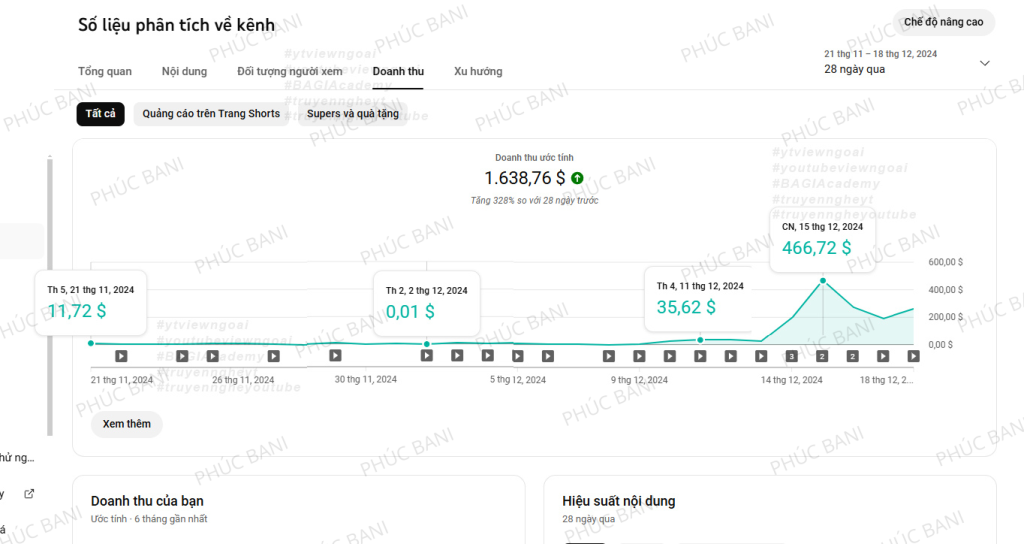
7 Actionable Tips to Make a “Top 100” Style Channel That Actually Works:
1. Know your MAIN keyword — no random fluff
Don’t create a video without a clear target keyword.
The keyword must be based on real viewer insight.
Extract keywords from:
- Top thumbnails
- Descriptions
- Tags of viral videos

2. Your first video must be at least 8 minutes
Don’t blame the algorithm if your videos are too short.
2 pages in Word, Times New Roman, size 14 ≈ 8 minutes.
Longer videos = better distribution for your youtube channel create strategy.
3. Nail the first 30 seconds
This is life or death.
Make it fast-paced, curiosity-driven, with clear voice and emotional hook.
A boring intro = zero chance for a new channel.

4. Thumbnails must follow trends — but with a twist
Don’t copy-paste thumbnails. Modify them:
- Zoom in
- Change colors
- Add bold text or logo
- Rearrange layout
Views come from the thumbnail — not the content.
5. Maintain the right engagement ratio
Don’t randomly boost views.
Only boost likes/comments to maintain the 10% rule:
- 1,000 views = 100 likes = 50 comments
Without this, YouTube demotes your video instantly.

6. Analyze the right way
Pick 3 big channels.
From each, select their 3 highest-view videos → analyze intro, body, outro.
Don’t copy one video. Mix multiple styles into your own unique format.
7. Commit to testing one niche
For any new youtube channel create effort:
- Test at least 10 videos per niche
- Tweak titles, thumbnails, and content to find the sweet spot
- Once you see some traction, double down fast
📌 Final Note:
YouTube doesn’t find viewers for your videos — it finds videos for existing viewers.
So stop blaming the algorithm if your content is half-hearted.
🔥 Go all in — test hard — analyze deep.
That’s how you win the YouTube game!



Để lại một bình luận